Everything you need to write about Roll.
Roll Mobility is a free accessibility app built by the disability community. People rate the places they visit for ramps, restrooms, noise, light and more, so the next person knows what to expect.
Media contact
Sarah Elliott, Content Strategist
[email protected]
We answer every media request within 24 hours. Founders are available for interviews by phone, video or in person in the Denver area, and we can demo the app on request.
Roll by the numbers
Updated October 2026
What reporters and hosts have said.
-
The New York Times ·
4 Apps That Make Traveling With Disabilities Easier (opens in a new tab)
Names Roll among four apps that make travel easier for disabled people, for its community ratings of how accessible places are.
-
Walk and Roll Live · Podcast ·
Rolling Forward: How Roll Mobility is Mapping Accessibility for All (opens in a new tab)
The Roll team talks about how the community shares what shops, parks and parking are really like.
-
Rocky Mountain PBS · TV ·
Colorado Uncharted: Southeast Colorado (opens in a new tab)
Features Roll’s social media manager, Dr. Rachel Zoeller, an off-road para cyclist, riding trails near Fishers Peak. The video has closed captions.
-
New Orleans Magazine ·
New Orleans & Company and Other Organizations Partner to Highlight Accessibility Areas for Travelers with Disabilities (opens in a new tab)
Roll supplies the technology behind a French Quarter accessibility map for visitors with disabilities.
-
Denver Voice ·
Roll Mobility paves the way for a more inclusive and accessible future (opens in a new tab)
A profile of the Denver app and how its users rate local businesses so others can choose where to go.
-
ColoradoBiz ·
Roll Mobility App Helps People with Disabilities Navigate the World (opens in a new tab)
How the Colorado-founded app lets disabled people rate businesses and public places from their own experience.
-
NPR Marketplace ·
When an accessibility mapping app went viral, success came with a cost (opens in a new tab)
How a viral video brought Roll a wave of new users, and what it takes for a founder-funded app to keep up.
-
Turmeric and Tequila · Podcast ·
Making The World More Accessible with Roll Mobility (opens in a new tab)
Host Kristen Olson talks with Roll founder Joe Foster and Rachel Zoeller about the app and the experiences that led them to build it.
-
Colorado Public Radio ·
Roll Mobility is “like a Yelp for people who use a wheelchair or have accessibility issues” (opens in a new tab)
An early look at the free app, just after launch, and how it rates venues and their restrooms.
At a glance.
- Company
- Roll Mobility
- What it is
- A free app where people rate and review the accessibility of real places
- Founded
- 2023
- Based in
- Denver, Colorado
- Platforms
- iPhone, iPad and Android
- Price
- Free for users, always
- Languages
- 16
- Tagline
- Go Further Together.
- Latest update
- Fall 2026: sensory ratings, a feed with disability news, Groups, posts and snapshots, and points on The Honor Roll
- Download
- App Store · Google Play
About Roll Mobility.
Copy these as written.
Roll Mobility is a free accessibility app built by the disability community. More than 30,000 people in 140 countries use Roll to find, rate and share what places are really like, from step-free entrances and restrooms to noise and lighting. Roll is available on iOS and Android at www.rollmobility.com.
Roll Mobility is a free accessibility app built by the disability community. Founded in Denver in 2023, Roll serves more than 30,000 people in 140 countries, with reviews of more than 21,000 places. Wheelchair users, people with sensory needs, families and caregivers use Roll to find, rate and share what a place is really like before they go: the entrance, the restroom, the parking, and, since the fall 2026 update, the noise, lighting, smell and crowds at different times of day. The app also includes a feed of community posts and disability news, Groups for people who share a place or an interest, and points that thank members for every review. Roll is free for users and always will be. It is available on iOS and Android in 16 languages. Learn more at www.rollmobility.com.
It started at a front door in Breckenridge.
Co-founder Joe Foster was working as a physical therapist assistant with Para athletes in Breckenridge, Colorado. After a hard week of training, the group went out to dinner. They had called ahead, and the restaurant said it was accessible. It even had an elevator to the restroom.
At the front door they found three steps. The elevator dated to the 1970s and could not fit even a small custom wheelchair.
One of the athletes said what started Roll: “This happens every time I go out. Some days I don’t even leave the house because I don’t know what I’ll find.”
Joe teamed up with Denver software entrepreneur Shane Blandford to build what did not exist: a source of accessibility information that people could trust, because it comes from people who have been there.
The app in one line each.
- Sensory ratings
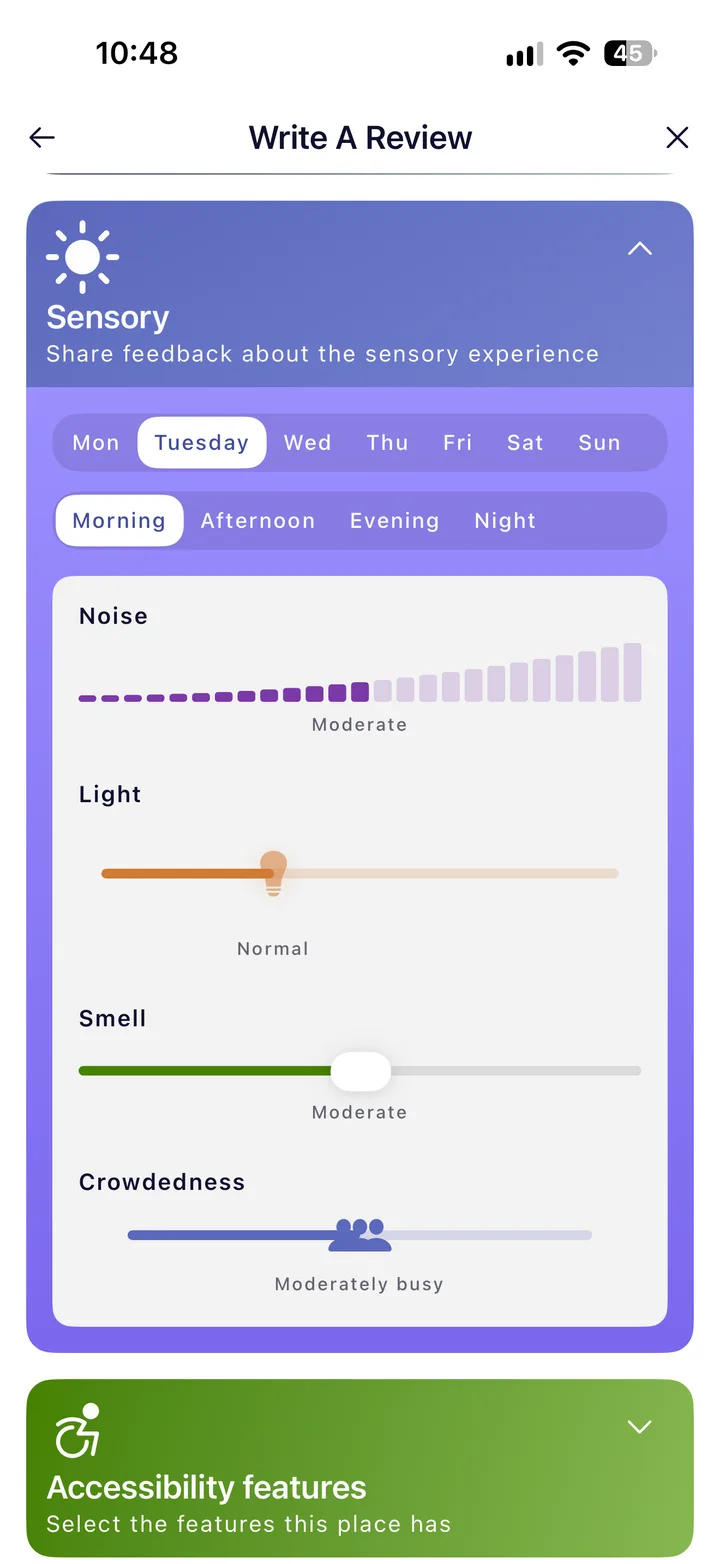
- Rate a place’s noise, light, smell and crowds for the day and time you visited.
- Map
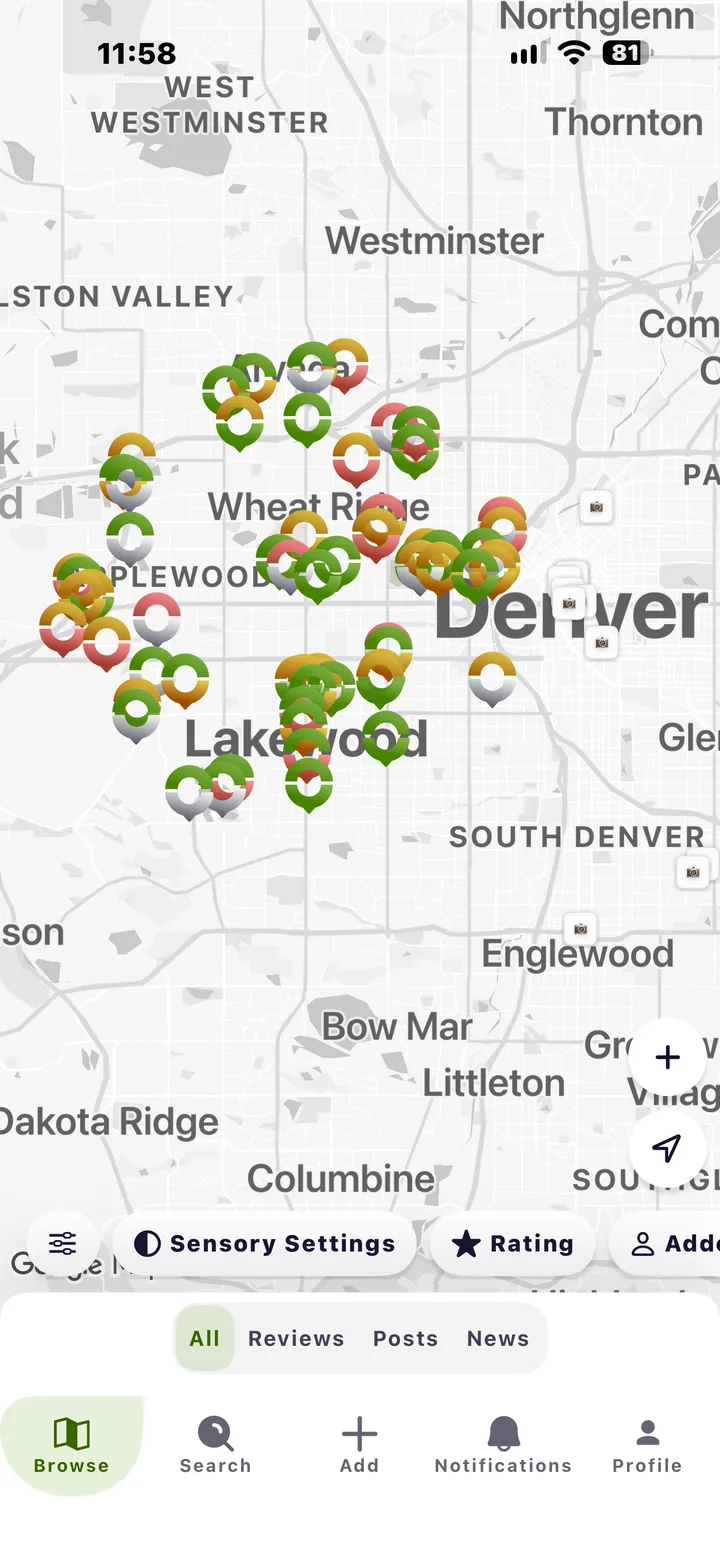
- Every place on one map, with pins colored by score and filters for category, rating, sensory needs and who added a place.
- Review
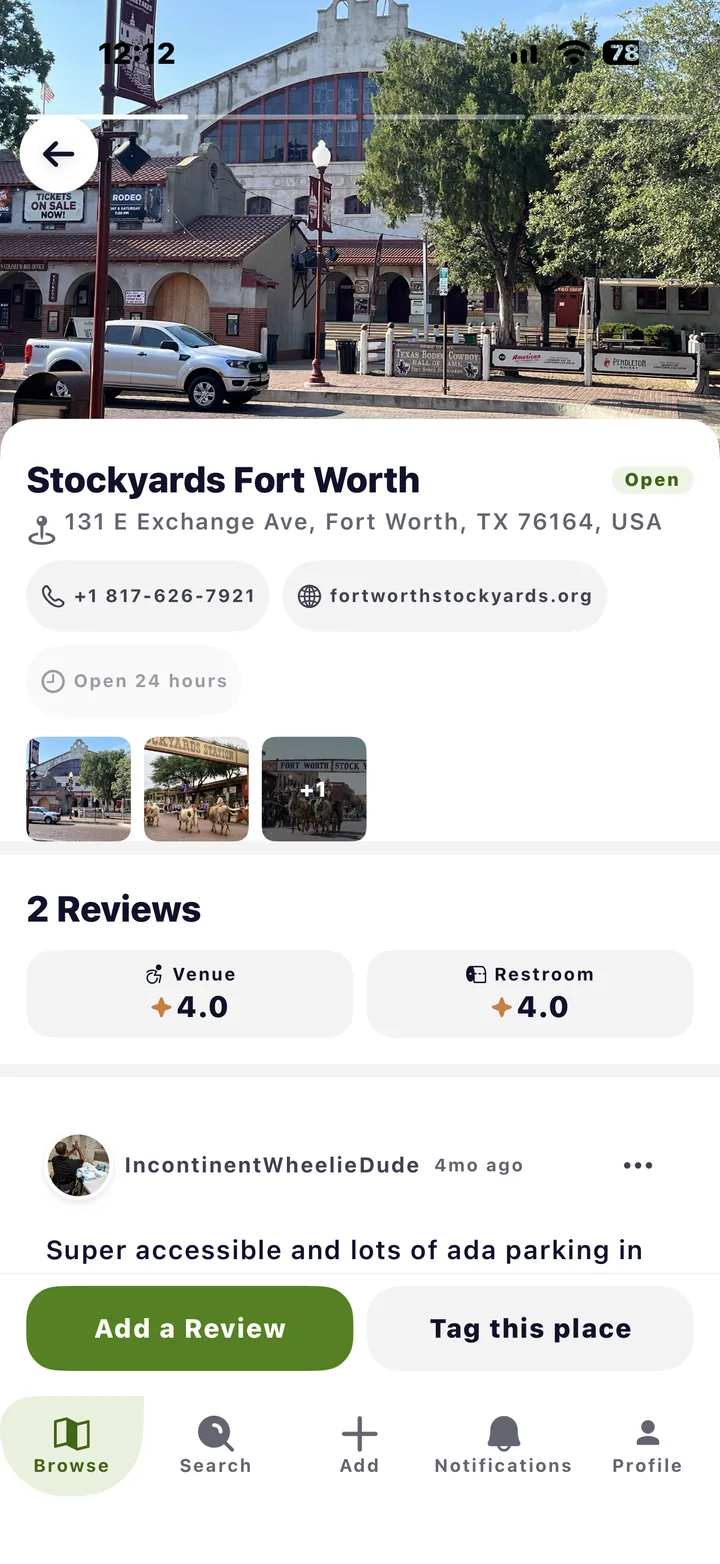
- Separate scores for the venue and the restroom, questions that fit the type of place, and photos.
- Feed
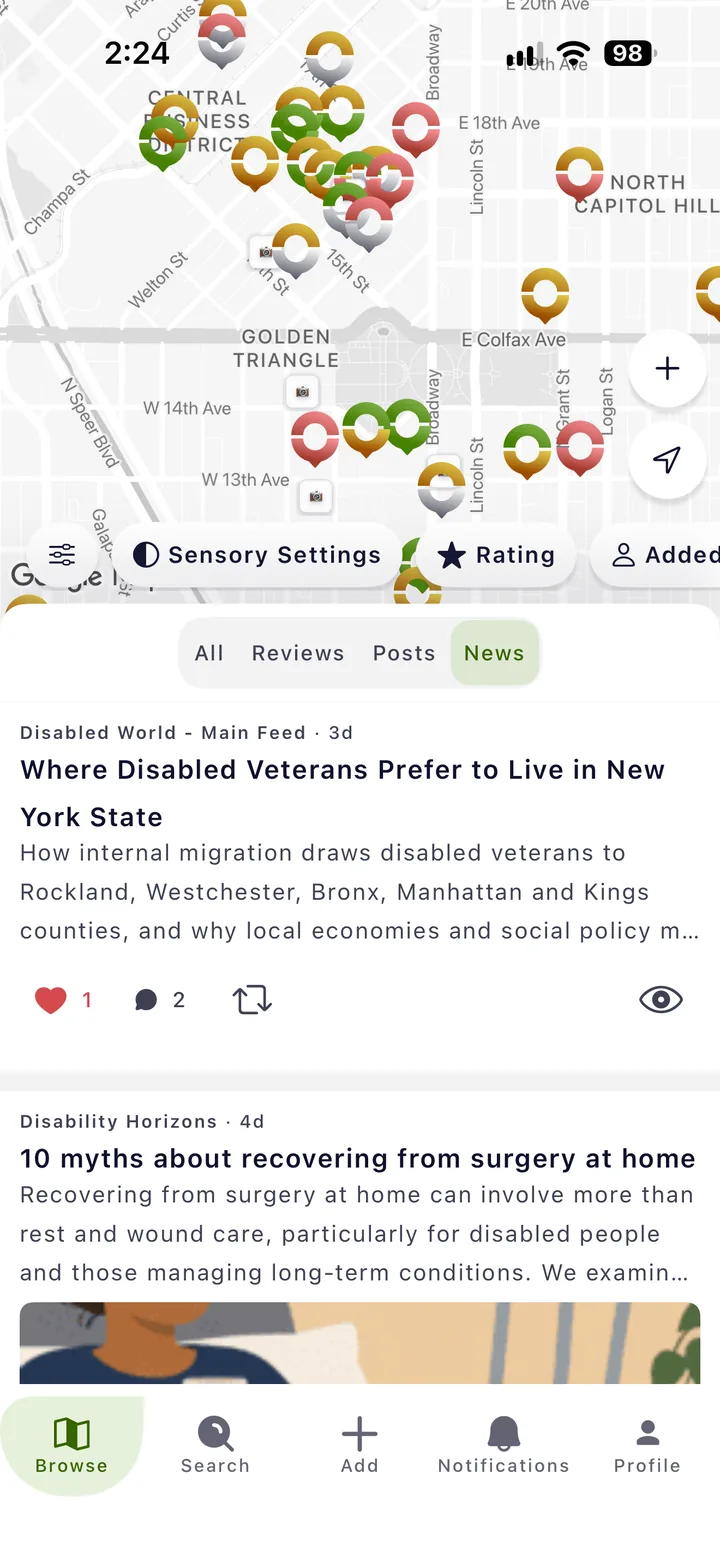
- New reviews, posts and snapshots from the community, plus disability news from 38 sources.
- Groups
- Join by topic or place to swap tips, plan outings and push for change.
- Posts and snapshots
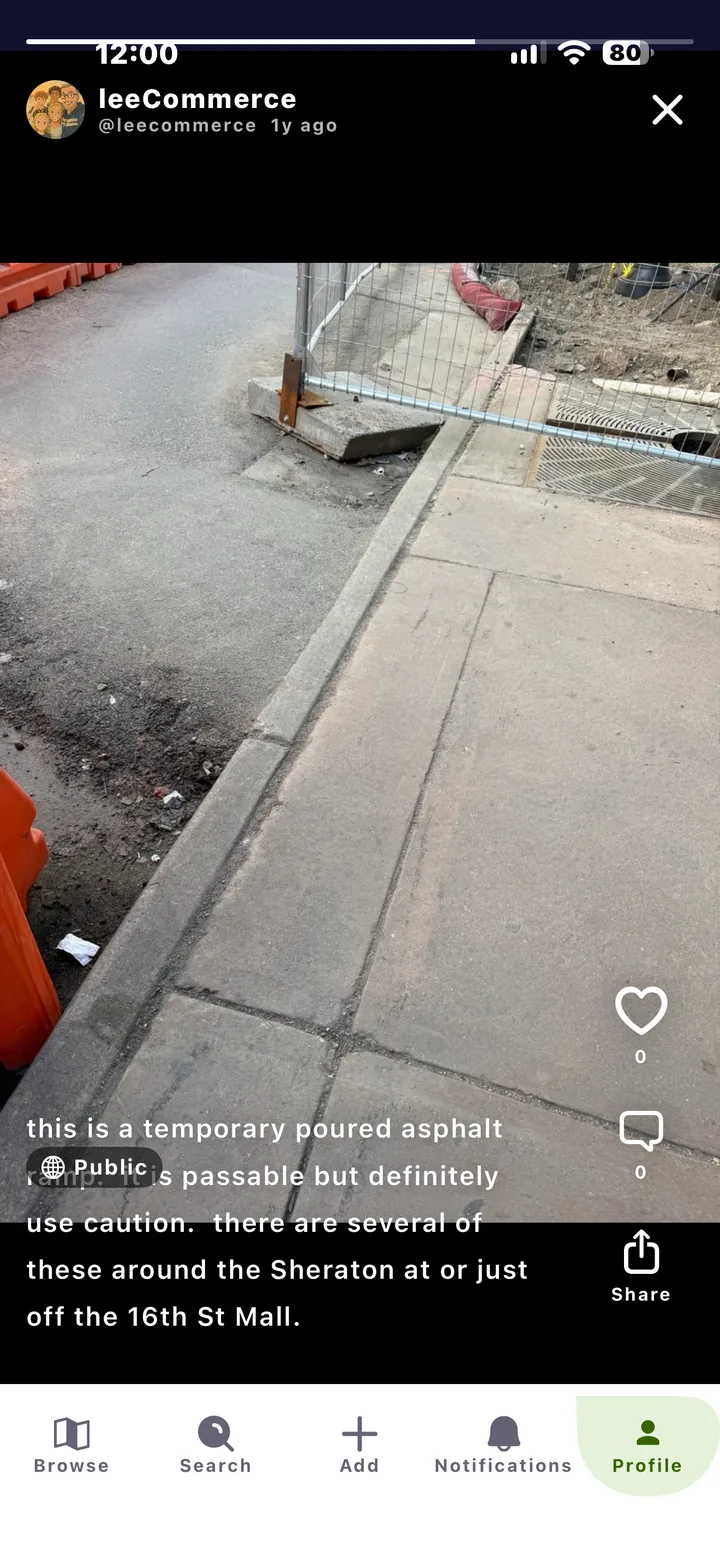
- Share a photo, video or note from where you are. Snapshots show up on the map.
- The Honor Roll
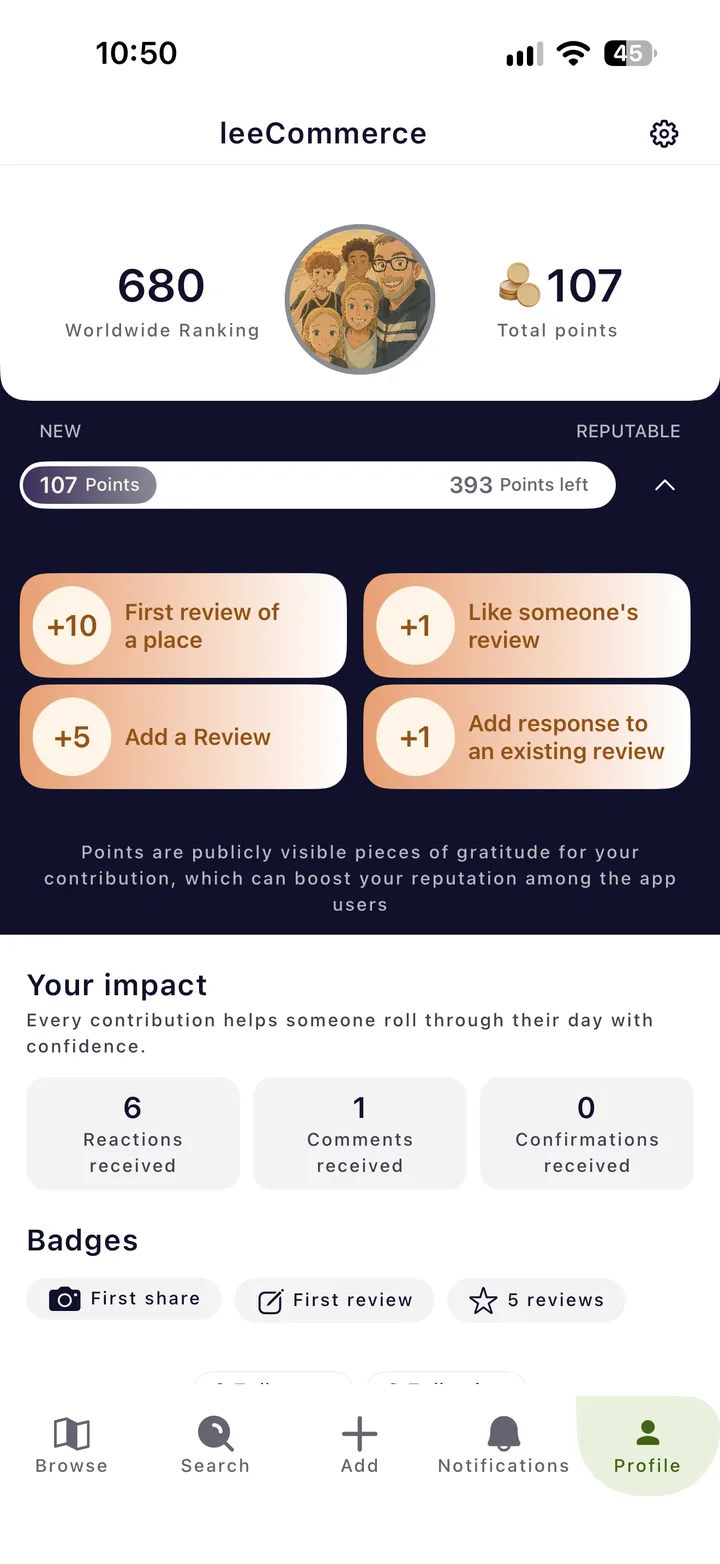
- Points and badges thank members for every review, reply and like.
Founders and team.
Shane Blandford
A Denver technology entrepreneur with nearly 20 years of building software platforms. Before Roll, he built and led Orange Collar Media and ConversionWax. Shane leads product and growth.
Joe Foster
A former physical therapist assistant who worked with Para athletes in Breckenridge, where the idea for Roll began. Joe leads operations and community.
Lee Hadsock
A go-to-market leader who built partner programs at Stripe, TaxJar and Magento. Lee leads Roll’s partnerships, marketing and sales.
Sarah Elliott
Sarah writes The Roll Up, Roll’s newsletter with more than 9,500 subscribers, and brings a decade of work in healthcare administration and transitions of care.
Dr. Rachel Zoeller
An off-road para cyclist who runs Roll’s social media. Rachel has talked about Roll on the Turmeric and Tequila podcast and rides in Rocky Mountain PBS’s Colorado Uncharted.
FAQ.
How is Roll different from Google Maps or Yelp?
Those apps may say a place has a “wheelchair accessible entrance.” Roll tells you whether the restroom is on the same floor, whether the door is wide enough for a power chair, and how loud and bright the room gets. Every question in Roll is built around what disabled people need to know, and every review comes from someone who went there.
What are sensory ratings, and who are they for?
Reviewers rate noise, light, smell and crowds, and note the day and time they visited. A café at 8 a.m. is not the same place at 8 p.m. Sensory ratings help autistic people and people with brain injuries, migraine, PTSD or other sensory needs decide whether a place will work for them.
How accurate is the information?
Reviews come from people who have been to the place. For places no one has reviewed yet, Roll shows a starting profile that the community then checks and corrects. Members can confirm a review is still accurate or flag one that is out of date. Reviews are community reports, not legal audits.
Is Roll really free? How does it make money?
Roll is free for users and always will be. The company plans to earn revenue from Roll for Business, a paid service for businesses and organizations that launches in 2027.
Where is Roll available?
Worldwide, on the App Store and Google Play, in 16 languages.
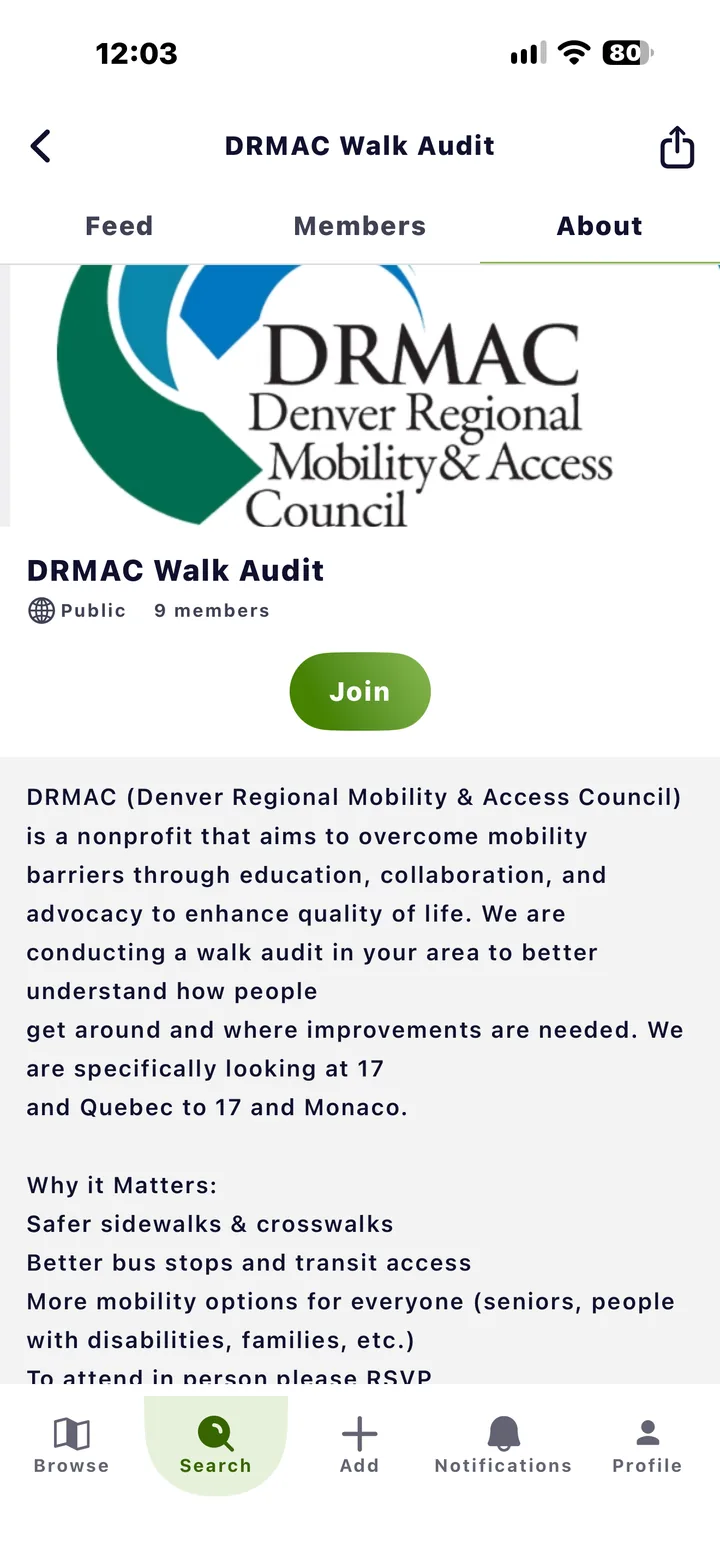
Logo and app screens.
Free to use in coverage of Roll Mobility. Please do not change the colors or crop the logo.